
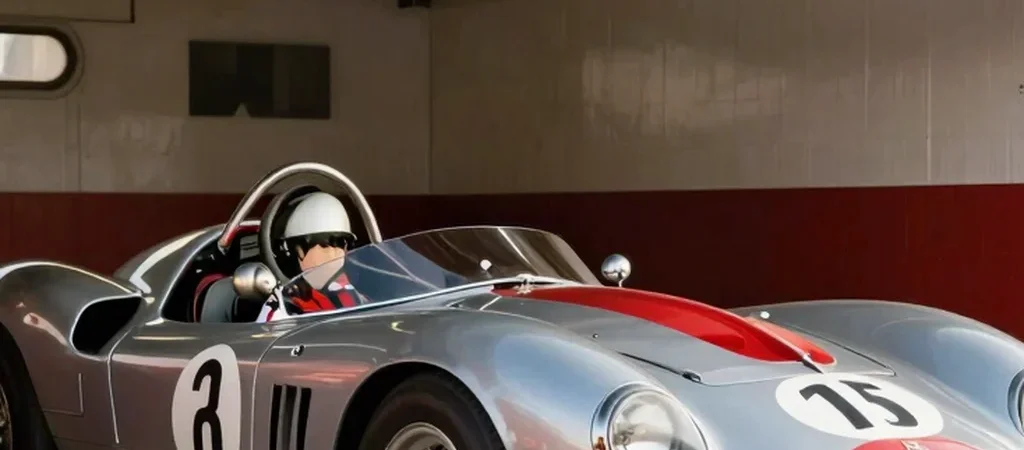
While mainstream racing history remembers the epic battles between giant factory teams at the Circuit de la Sarthe, the historic grid was shaped equally by fierce rivalries among independent chassis builders. These small-scale constructors brought radical aerodynamic experiments and lightweight aluminum spaceframes to challenge massive engine outputs on the Mulsanne Straight.
Mid-Engine Innovations in the Garage Lane
During the mid-twentieth century, shifting the powertrain behind the driver was a controversial gamble. Privateer builders proved that lower polar moment of inertia and improved rear traction outweighed traditional front-engine power advantages over 24 grueling hours of competition.
These privateer garages operated without massive telemetry rigs or real-time pit communication. Pit stop decisions were calculated on hand-drawn chart boards and driver feel, making strategy calls as tense as the driving stints.
Aerodynamic Lessons That Survived the Decades
Low-drag long-tail bodywork developed during this historic era created astounding top speeds on long straights, though often at the cost of high-speed stability. The solutions forged by these underdog engineers laid the foundation for modern endurance sports car design.
Preserving the Heritage on Modern Circuits
Today, seeing these historic machines compete in vintage racing events gives fans an unvarnished look at unassisted mechanical engineering. Hearing high-revving naturally aspirated engines downshift into sharp hairpins remains one of motorsport's greatest sensory experiences.